Understanding Big Data in Market Forecasting
When we talk about forecasting market shifts with Big Data, we mean using extremely large, diverse, and fast-moving datasets to detect change before it fully emerges. Instead of relying solely on historical sales data and quarterly reports, we combine internal data from our systems with rich external data, including social feeds, satellite imagery, macroeconomic data, and industry reports. This fusion enables us to identify subtle market trends that traditional market research alone would miss, especially in volatile environments such as the eurozone financial markets or rapidly evolving consumer sectors. As data generation accelerates, the organizations that can turn this information into foresight gain a structural advantage over slower competitors. In essence, more data is not the goal; faster, sharper insight is.
From a technical standpoint, modern Big Data forecasting often relies on data lake architectures supported by cloud-based data storage and cloud computing to ingest and manage massive volumes of structured and unstructured data. Here, we must implement strong metadata management and data lineage tracking so we always know where data comes from, how it has been transformed, and which models use it. Properly governed, these platforms enable real-time data processing and real-time analytics that let us move from static reports to continuously updated views of the market. When we combine these capabilities with rigorous data privacy and data security controls, we create a foundation that can support advanced forecasting for years to come.
Why Traditional Forecasting Methods Fall Short
Traditional forecasting methods typically rely on small datasets, simple regression analysis, and the assumption that the future will mirror the past. In stable environments, these methods can perform reasonably well, but they struggle when sudden shocks hit financial markets, supply chains, or consumer sentiment. For example, a company targeting an inflation target in its financial planning might rely on outdated averages and miss rapid price shifts that affect customer purchasing power. Without integrating high-frequency signals such as weather forecasting data, satellite data on logistics flows, or updated macroeconomic data, forecasts often lag reality. This lag forces us into a reactive mode rather than a proactive strategy.
Another issue is that traditional approaches rarely exploit the full richness of modern data sources. They frequently ignore unstructured data from primary sources, such as customer reviews, call transcripts, and surveys, as well as from secondary sources, such as industry reports and analyst notes. Without techniques like natural language processing and modern data visualization software, these sources remain underused, even though they can reveal emerging risks to customer satisfaction or growing interest in new categories. As a result, decision-makers see only a narrow slice of the truth. To keep pace with dynamic markets, we need advanced data analytics approaches that pair comprehensive data coverage with sophisticated modelling.
Key Big Data Sources for Anticipating Market Shifts
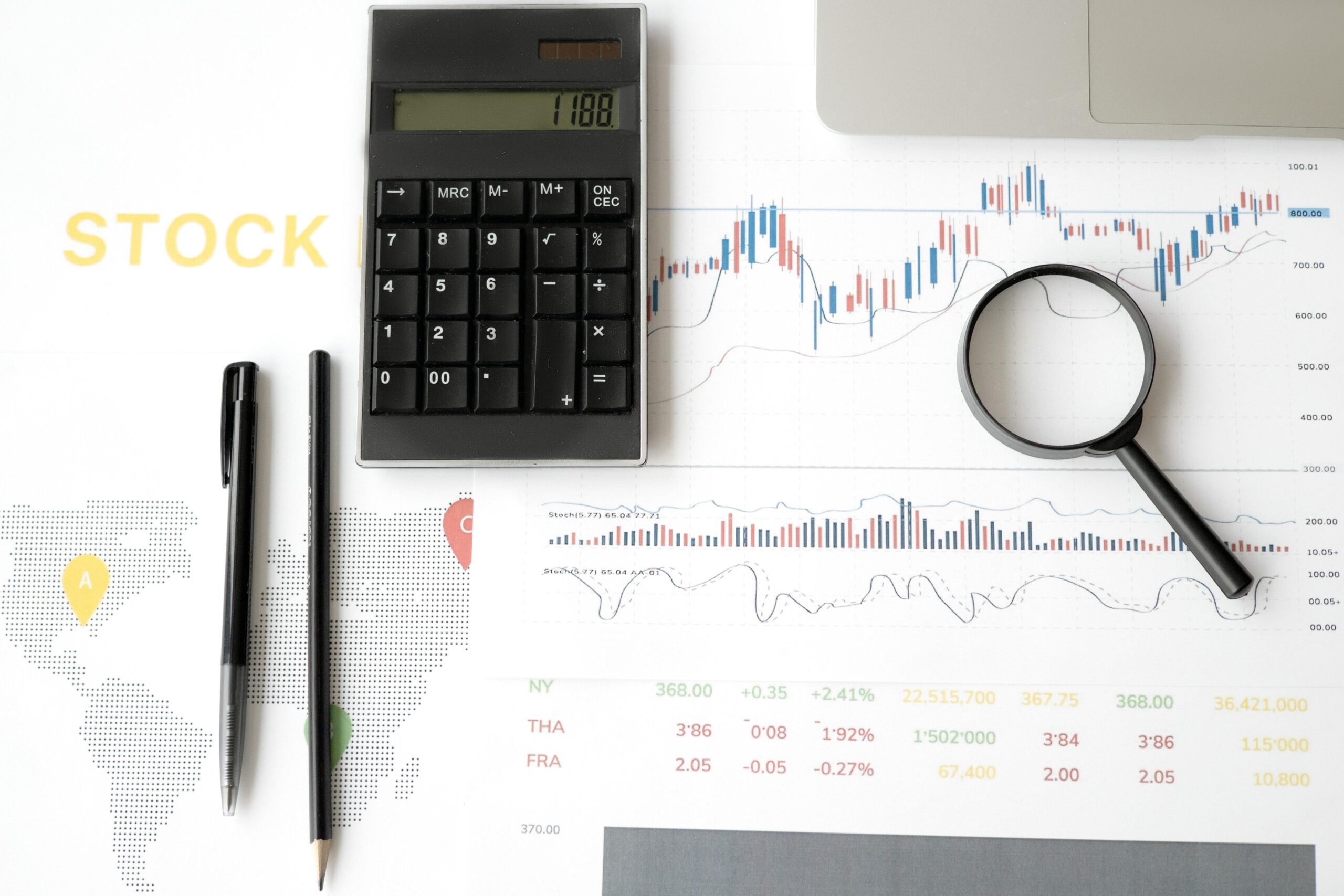
Effective forecasting begins with understanding which Big Data sources carry the earliest and most reliable signals of change. Internally, we look at sales data, website analytics, app events, support tickets, resource planning systems, and inventory management records to understand behavior and operations. Externally, we blend market research reports, market segmentation data, news feeds, weather forecasting information, social media, and specialized feeds such as private credit flows or eurozone financial markets indices. Big data providers, cloud service providers, and system integrators often help us connect these sources via robust ETL process pipelines that extract, transform, and load data into centralized repositories. When orchestrated properly, these sources offer a multi-dimensional view of demand, sentiment, and risk.
To make sense of this complexity, we lean on Business intelligence platforms with intuitive business intelligence dashboards that bring data visualization software to the forefront. These dashboards let leaders explore prediction data, identify anomalies, and drill into drivers without needing to be data scientists. Furthermore, we often add specialized feeds like satellite data for logistics, weather forecasting for agriculture or retail, and niche market research for specific sectors and market prospects. For e-commerce site owners, combining clickstream data, market segmentation, and external macroeconomic data can reveal which customer groups remain resilient under inflationary pressure and which become more price-sensitive.
How Predictive Analytics and AI Turn Data into Foresight
Collecting data is only the starting point; the real value comes from applying predictive analytics powered by Artificial Intelligence and machine learning. In this context, we use advanced predictive modeling algorithms that range from enhanced regression analysis to recurrent neural networks tailored for time series analysis. These machine learning programs learn patterns from historical and streaming data, helping us anticipate outcomes such as demand surges, customer churn, or credit risk. When combined with AI-driven forecasting, our models can dynamically adjust to new conditions rather than relying on static assumptions. This adaptability becomes especially important in volatile sectors, such as non-financial firms exposed to commodity price swings or regulatory changes.
An important subset of these techniques involves natural language processing, which allows us to mine unstructured text from reviews, support conversations, and social posts. By turning language into structured signals, we can tie sentiment and topics to customer satisfaction and future financial performance. At the same time, AI-enabled real-time analytics enables us to monitor leading indicators, such as abrupt shifts in search queries, social buzz, or external data feeds. For example, combining time-series analysis of transaction trends with prediction data derived from macro indicators can significantly sharpen financial forecasting and demand prediction. In practice, this means we can adjust marketing spend, production, and staffing before competitors even recognize that the market is shifting.

Real-World Use Cases Across Industries
Across industries, the combination of Big Data, machine learning, and predictive analytics is transforming how we see the future. In retail and e-commerce, we use AI-driven forecasting models trained on sales data, promotions, weather forecasting, and market trends to optimize inventory management and minimize stockouts or excess. These models often leverage recurrent neural networks for granular time-series analysis, enabling us to anticipate demand at the product, store, and segment levels. As a result, we improve cost efficiency, reduce waste, and increase customer satisfaction by ensuring the right products are available when and where they are needed.
In financial services, banks and asset managers combine internal data with external data like macroeconomic data, eurozone financial markets indicators, credit spreads, and private credit flows to power advanced financial forecasting. By using predictive modeling algorithms and automated robotic process automation workflows, they can rebalance portfolios, adjust hedging strategies, and refine financial planning more quickly. Meanwhile, industrial firms integrate sensor readings, satellite data, and logistics information across the supply chain to anticipate disruptions and optimize resource planning. Increasingly, blockchain solutions are being explored to provide verifiable data lineage tracking and support new security solution approaches in high-stakes environments.
Building the Right Architecture, Teams, and Culture
To implement forecasting at scale, we need more than models; we need the right architecture, people, and data-driven culture. Architecturally, modern organizations rely on scalable data lake architectures and cloud-based data storage to centralize both structured and unstructured data. Automated ETL process pipelines, integration with business intelligence platforms, and strong data security controls are essential elements. We often incorporate encryption, fine-grained access controls, and, in some cases, blockchain solutions to support tamper-evident logs. These capabilities help prevent breaches, minimize reputational damage, and maintain compliance with regulations around data privacy.
On the human side, we depend on a mix of data scientists, data engineers, analysts, and subject matter experts who understand the nuances of their domains. Industry participants and primary sources, such as customers or partners, provide critical context that pure data cannot fully capture. A strong support team—including operations and IT—ensures that models remain reliable and that business intelligence dashboards stay aligned with evolving decision needs. For a site owner or business leader, nurturing a data-driven culture means encouraging teams to question assumptions, test hypotheses, and use Data visualization software as a common language between technical and non-technical stakeholders. Over time, this culture turns forecasting from a specialized project into a standard way of working.

Governance, Security, and Ethical Considerations
With great predictive power comes serious responsibility. To use Big Data ethically and sustainably, we must embed robust data security and data privacy measures into every layer of the architecture. This involves partnering with trustworthy cloud service providers that offer enterprise-grade security solution portfolios, including encryption at rest and in transit, identity and access management, and continuous monitoring. We also implement clear policies for how internal data and external data are collected, stored, and used, ensuring transparency with customers and regulators. Failure to manage these aspects can lead not only to financial costs but also to lasting reputational damage.
At the governance level, we must maintain accurate metadata management and data lineage tracking, particularly when using secondary sources and third-party feeds. These practices help us validate model inputs, audit decisions, and respond to regulatory inquiries. For high-risk applications, such as lending or employment screening, we also need frameworks to detect and mitigate bias in machine learning and AI-driven forecasting models. Finally, we establish guidelines for responsible use of automation, including robotic process automation, to ensure human oversight in critical decisions. When we balance innovation with accountability, we build durable trust in our forecasting systems.
Turning Forecasts into Competitive Advantage
The ultimate goal of forecasting market shifts with Big Data is to strengthen strategic and operational performance across the business. By combining Big Data analytics, AI, and sound governance, we can refine demand prediction, improve cost efficiency, and enhance financial performance. Accurate, timely forecasts transform how we approach financial planning, resource planning, and inventory management, ensuring that capital and capacity are allocated where they create the most value. Well-designed business intelligence dashboards and platforms make these insights accessible to decision-makers at every level, from executives to frontline managers.
For many organizations, accessing these capabilities also comes with subscription benefits from analytics vendors, cloud platforms, and big data providers that continuously enhance tools and infrastructure. As we integrate prediction data into everyday workflows, we move from reactive firefighting to proactive, scenario-based planning. Whether we are navigating inflation, assessing market prospects in new regions, or evaluating the impact of regulatory changes on non-financial firms, our combination of data analytics and human judgment becomes a powerful differentiator. In a world defined by uncertainty, those who master Big Data forecasting will be best positioned to anticipate change, protect value, and seize opportunity.