
Building a resilient supply chain is now a strategic necessity, not just an improvement. Global disruptions, driven by pandemics, geopolitical instability, cyber threats, and demand swings, expose weaknesses in traditional models. As material costs and lead times fluctuate, we must design strategies that withstand uncertainty and maintain operational value. Ultimately, resilience is not just protection; it drives competitiveness, customer trust, and long-term profitability.
Resilience requires moving beyond purely cost-focused optimization toward a balanced approach that integrates risk management, business continuity, and agility. In practice, this means rethinking the supply chain model itself, from supplier networks and inventory policies to technology architectures and governance structures. When we embed supply chain resiliency into the core of our operating model, we can adapt quickly to shocks, capitalize on emerging opportunities, and transform disruptions into strategic advantages.
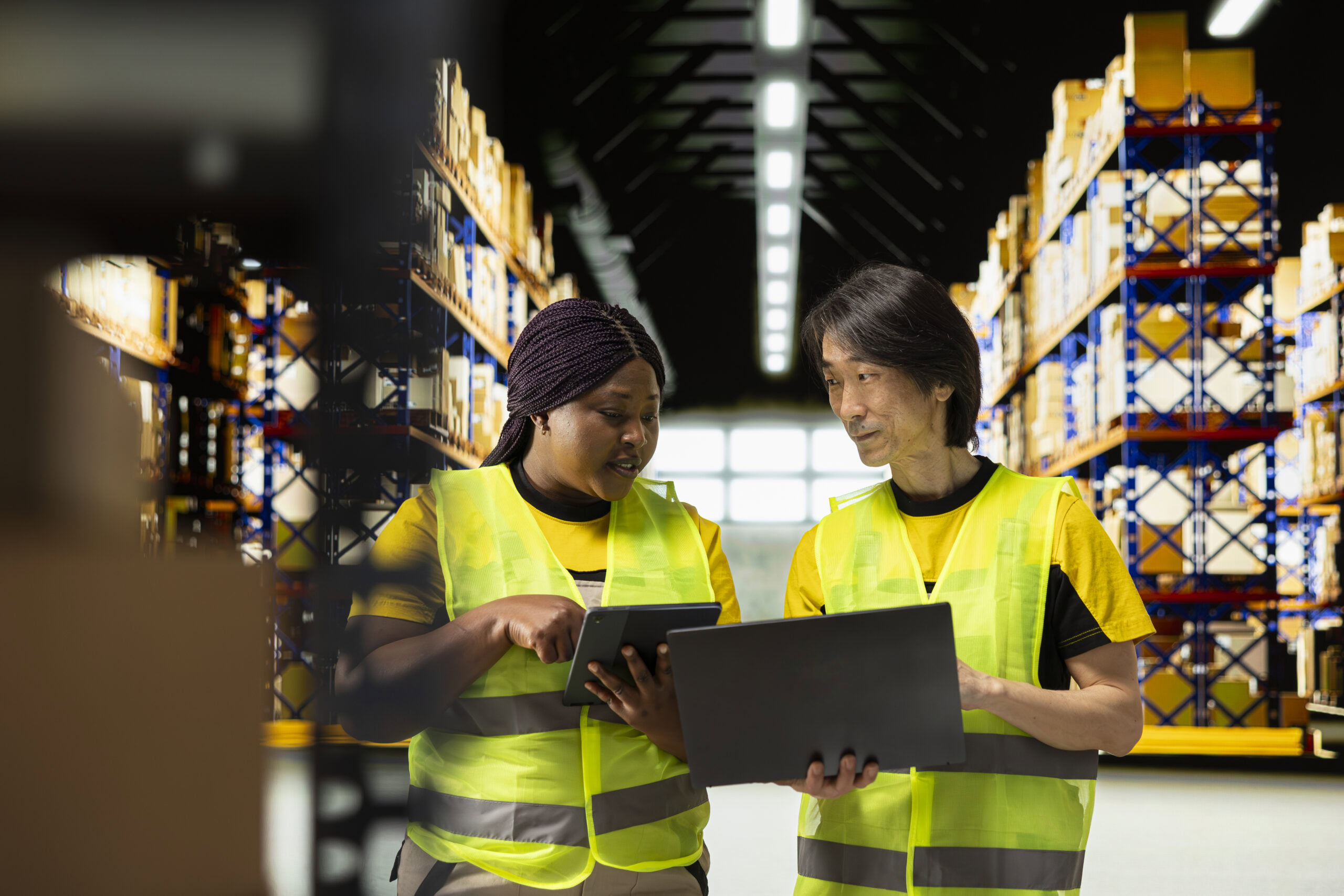
Defining Supply Chain Resiliency and Modern Supply Chain Management
Supply Chain Resiliency is the ability to anticipate, absorb, and recover from disruptions while maintaining acceptable service, quality, and cost. It relates directly to Supply Chain Management, which coordinates sourcing, production, logistics, and distribution. A resilient model uses contingency plans, safety stock, supplier diversification, and advanced risk mitigation to reduce vulnerabilities.
We can think of resilience as the supply chain’s immune system. Just as a healthy immune system detects threats, responds rapidly, and remembers past infections, a resilient supply chain uses Real-time Monitoring, predictive analytics, and robust governance to identify risks, act decisively, and continuously improve. This is where supply chain performance metrics become essential: we must measure not only cost and efficiency but also time to recover, supply chain risk profile, and the effectiveness of our business continuity measures.
Mapping Risks and Building a Supply Chain Risk Profile
Effective risk mitigation starts with understanding the supply chain risk profile. Many organizations lack full visibility, often focusing only on tier-one suppliers and internal operations. To build genuine resiliency, we must map upstream and downstream nodes, including sub-suppliers, contract manufacturers, logistics partners, and critical infrastructure.
A structured risk management process begins by identifying threat classes, such as natural disasters, political instability, cyber breaches, capacity constraints, quality failures, and regulatory shifts. We then quantify both likelihood and impact to prioritize our risk-mitigation strategy. This is where advanced analytics and predictive analytics play a decisive role. By analyzing historical data, external indicators, and Real-time Monitoring feeds, we can anticipate disruptions earlier and design targeted interventions, from alternative sourcing and Supplier Scouting to proactive inventory and capacity adjustments.
Leveraging Digital Technologies: IoT, Control Towers, and Digital Supply Chain Twins
Modern supply chain transformation is powered by digital technologies that enhance visibility, responsiveness, and optimization capabilities. The internet of things enables us to capture real-time insights from connected assets, such as vehicles, warehouses, production lines, and even individual containers. By equipping critical nodes with sensors and securely connecting them, we create a continuous stream of data that reveals bottlenecks, delays, and anomalies as they emerge.
On top of this data layer, many organizations implement a supply chain control tower. A control tower provides end-to-end visibility, Real-time Monitoring, and exception management across the network. It consolidates information from Enterprise Resource Planning systems, transportation management systems, warehouse management systems, and external partners, providing a single source of truth. When integrated with Artificial Intelligence and advanced analytics, the control tower does not simply report problems; it recommends actions, reprioritizes shipments, and simulates alternative scenarios to support better decisions.
Digital twin technology, and specifically digital supply chain twins, takes this a step further. A digital twin is a virtual replica of the physical supply chain model that continuously updates based on real-world data. Using simulation capabilities, we can test how the network responds to disruptions, such as factory shutdowns, port closures, or sudden spikes in demand. This allows us to validate contingency plans, quantify the impact of different supply chain strategies, and compare Supply Chain Optimization options before implementing them in practice.
Enterprise Resource Planning, AI, and Optimization Capabilities
Enterprise Resource Planning platforms form the transactional backbone of many supply chains, integrating finance, procurement, production, and logistics processes. When ERP is combined with Artificial Intelligence and advanced analytics, it becomes a powerful engine for supply chain transformation. AI-driven forecasting models, for example, can significantly improve the accuracy of demand and supply planning by capturing complex patterns and external signals that traditional methods miss.
Optimization tools based on ERP and planning systems inform production scheduling, network design, and inventory placement. These models consider costs, lead times, capacity, and service targets to recommend robust configurations. Including risk factors ensures solutions remain resilient, not just efficient.

Strategic Inventory, Safety Stock, and Buffer Design
In lean environments, inventory is often viewed as waste; in resilient Supply Chain Management, well-designed inventory acts as a shock absorber. Strategic safety stock levels shield us from forecast errors, supplier delays, and transportation problems. Rather than uniform rules, we should segment portfolios by criticality, variability, and lead time, and set tailored safety stock policies for each segment.
For example, high-value components with long lead times and limited Supplier Diversification may require higher safety stock, whereas standardized items with multiple alternative sources can be managed with lower buffers. The benefit is optimized inventory costs balanced with superior service and resilience. Simulation capabilities within digital supply chain twins can help us quantify the trade-offs between additional safety stock, service levels, and working capital. In this way, safety stock becomes a precise, data-driven lever rather than a blunt, across-the-board increase in inventory.
Supplier Diversification, Supplier Scouting, and Human Verification
Depending on a single source for critical materials drives disruptions. Supplier diversification reduces this risk by establishing backup suppliers, geographies, and logistics routes. Supplier scouting identifies and evaluates new partners to complement or replace current suppliers.
Diversification must balance quality, compliance, and security. Rigorous validation, including audits, trial orders, and performance reviews, is key. Human verification remains critical, even with digital and AI tools. We must confirm supplier data, certifications, and financial health, and ensure secure connections to protect information. This blend of digital insights and human expertise builds a robust supplier landscape.
Case Insight: Learning from Industry and Research
Real-world examples and research provide valuable guidance for designing resilient supply chains. Organizations such as the MIT Forum for Supply Chain Innovation have documented frameworks, best practices, and case studies that illustrate how leading companies manage risk, build resiliency, and leverage digital technology. Manufacturers like Netzer Metalworks, operating in sectors with volatile Material Costs and high-quality requirements, have demonstrated how strategic investments in automation, Supplier Diversification, and data-driven planning can stabilize operations and protect margins.
We also observe that carefully designed supply chain performance metrics are essential in these cases. Rather than focusing solely on unit cost, companies monitor metrics such as time to recovery, supplier on-time performance, lead-time variability, and the impact of specific risk-mitigation initiatives. In some instances, organizations have introduced internal resilience indexes that combine quantitative indicators with qualitative assessments to track long-term progress.
From Disruption Response to Proactive Business Continuity
Resilient supply chains are not built through ad hoc responses; they emerge from systematic business continuity planning. A robust business continuity framework defines critical processes, acceptable downtime, and recovery priorities across the supply network. For each high-impact risk scenario, we establish clear contingency plans, including alternative distribution centers, backup transportation modes, emergency production sites, and pre-approved design substitutions.
These plans must be living documents, tested and updated regularly. Simulation capabilities in digital supply chain twins, along with tabletop exercises, help us validate whether contingency plans are realistic and effective. When disruptions occur in reality, post-event reviews feed into the risk management and planning cycles, strengthening the overall system. Over time, this continuous learning transforms business continuity from a static compliance requirement into a dynamic engine of supply chain improvement.
Integrating People, Processes, and Technology
While digital tools such as control towers, AI, and IoT devices are powerful, supply chain transformation ultimately depends on people and processes. We need clear governance structures that define who makes decisions, how information flows, and which supply chain performance metrics guide trade-offs. Cross-functional collaboration among procurement, operations, logistics, finance, and risk management ensures that resilience is integrated into every major decision rather than confined to a single department.
Training and capability-building are equally important. Teams must understand how to interpret real-time insights, use predictive analytics responsibly, and balance automated recommendations with human judgment. Human verification of critical decisions, especially those involving strategic suppliers, major capital investments, or structural changes to the supply chain model, guards against overreliance on algorithms. When people, processes, and technology are aligned, we achieve Supply Chain Optimization that is both efficient and resilient.

Turning Supply Chain Resiliency into Competitive Advantage
Building a resilient supply chain involves coordinated action across risk management, Supplier Diversification, technology enablement, inventory strategy, and organizational culture. By leveraging Internet of Things data, control tower visibility, digital supply chain twins, and ERP-integrated AI, we gain real-time insights and optimization capabilities that make our operations more adaptable and robust. At the same time, rigorous validation processes, secure connection standards, and human verification ensure that this digital infrastructure remains reliable and trustworthy.
Ultimately, supply chain resiliency is not just a defensive posture; it is a source of competitive differentiation. Organizations that invest thoughtfully in resilient Supply Chain Management can continue to serve customers, stabilize Material Costs, and capture market share during periods when less-prepared competitors struggle. In an era defined by persistent uncertainty, a resilient supply chain is both our shield against disruption and our platform for sustainable growth.


