How AI Impacts Middle Management
The industrial revolution fundamentally altered how we perceive labour, and today’s digital era is doing the same for middle management. We are witnessing a profound shift in how the workday of a middle manager is structured, particularly concerning the “drudgery” of administrative tasks. Historically, a significant portion of middle managers’ time was consumed by scheduling, generating status reports, and monitoring basic performance metrics. Modern AI tools and project management software now handle these functions with near-instantaneous precision, allowing us to move away from being “human routers” of information within traditional organisational hierarchies. This transition is not about replacing the manager, but rather about liberating them from the spreadsheet-heavy workflows that previously defined their existence in the corporate hierarchy. When artificial intelligence handles the “busy work,” managers can finally focus on the high-level strategy they were actually hired to implement. This automation serves as a catalyst for a more meaningful professional experience, directing human cognitive resources toward innovation rather than data entry.
Data-Driven Decision Making and Strategy
In the past, middle management often had to rely on intuition or incomplete datasets to make departmental decisions, but AI solutions have turned this paradigm on its head. We now have access to predictive analytics that can forecast market trends, employee churn, and supply chain disruptions with remarkable accuracy across the financial services industry. This doesn’t mean the manager’s judgment is obsolete; rather, it means their judgment is now backed by robust, real-time evidence from AI systems. We are seeing managers evolve into AI interpreters who can distil complex algorithmic outputs into actionable marketing strategies. The ability to ask the right questions of these autonomous agents is becoming a more valuable skill than having the “right” answer stored in one’s head. Consequently, the human role is shifting from a top-down authority figure to a sophisticated orchestrator of information and insight. By leveraging AI & gen AI consulting, firms can ensure their management layers are equipped to handle this data-heavy future.

The Rise of the Human-Centric Leader
As generative AI takes over the heavy lifting in logic and analysis, we are seeing a massive surge in the value of behavioural skills within software development teams. Machines cannot truly empathise with an employee going through a personal crisis, nor can they navigate the delicate power dynamics required to align cross-functional teams. We believe the middle manager of the future will be defined by their ability to coach, mentor, and inspire their subordinates in ways a line of code never could. This human-centric approach requires a high degree of self-awareness and interpersonal dexterity, which remain uniquely human roles. Organisations are beginning to prioritise internal talent development and people development initiatives during the hiring process, recognising that these are the skills that AI agents cannot replicate. In this new landscape, the manager’s primary product is no longer a report but a motivated, psychologically safe organisational culture. This shift helps prevent a leadership crisis by ensuring that empathy remains at the heart of the org chart.
Bridging the Gap in the Corporate Hierarchy
Middle management has always served as the vital connective tissue of an organisation, and AI implementation is making this bridge more transparent. We are utilising workflow assistants to ensure that high-level executive strategies are accurately distilled into frontline tasks without the “telephone game” distortions of the past. Conversely, AI systems help us aggregate feedback from the ground level to provide the chro association with a clearer picture of organisational health and employee engagement. This two-way flow of communication is becoming more fluid, reducing the traditional friction that often bogs down large parts of the corporate structures. Managers are now acting as the “strategic curators” of this information flow, ensuring that the right insights reach the right stakeholders at the right time. By leveraging AI change to maintain this alignment, we can ensure that the entire company moves with agility despite its size. This reduces the need for redundant management layers and creates a more streamlined organisational chart.
Navigating the Skills Gap and Reskilling
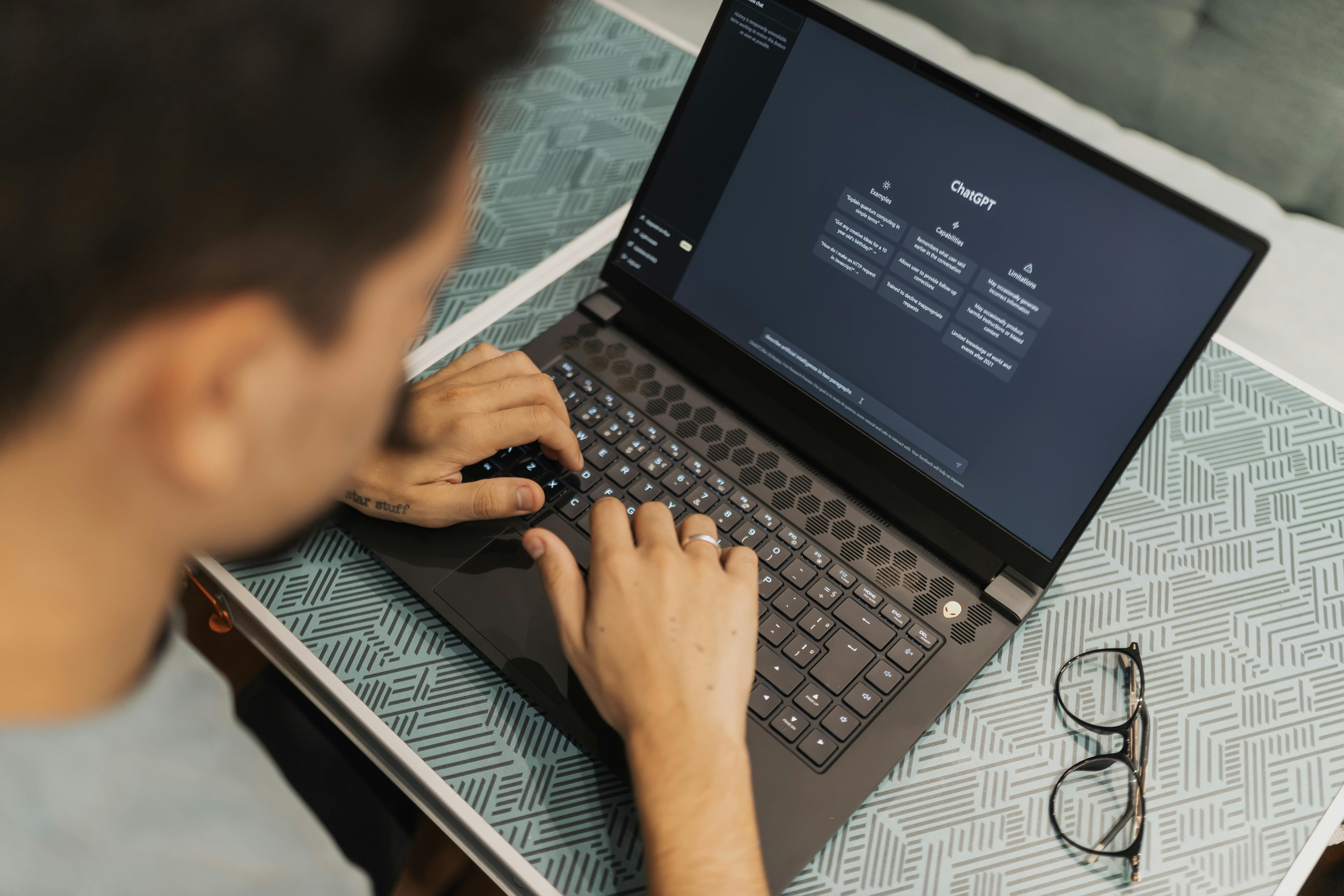
The introduction of artificial intelligence into the workplace creates a significant responsibility for middle managers to lead their teams through digital transformation. We are no longer just managing workflows; we are managing the evolution of human capital consulting amid technological disruption. This involves identifying which job roles are most at risk of automation and proactively guiding those employees toward new, high-value skill sets via a Genai Academy. It is a delicate balancing act that requires a deep understanding of both the technology’s capabilities and each team member’s potential. We must foster a culture of continuous learning where AI proficiency is a shared goal rather than an individual anxiety. The manager’s role in this context is part educator and part career counsellor, ensuring that the human-agentic workforce isn’t left behind. As a product owner or systems architect, one must now consider how internal talent development fits into the broader AI workflow.
Ethical Oversight and Responsible AI Deployment
With great technological power comes the need for rigorous ethical judgment, a responsibility that is falling squarely on the shoulders of middle management. We are finding that AI-based employment tools, while efficient, can often mirror or even amplify the biases present in their training data. Middle managers must act as the “ethical guardians” of these systems, constantly auditing outputs for fairness and transparency during performance tracking. This requires a new kind of AI proficiency that allows managers to spot “black box” logic that might lead to discriminatory outcomes. We cannot simply trust the algorithm; we must have human checkpoints to ensure that technology serves our organisational values through responsible AI deployment. This adds a layer of moral complexity to the managerial role that was largely absent in previous decades. Managers must also consider how these tools impact the digital customer experience to maintain brand integrity and trust.
From Control to Empowerment: The New Hierarchy
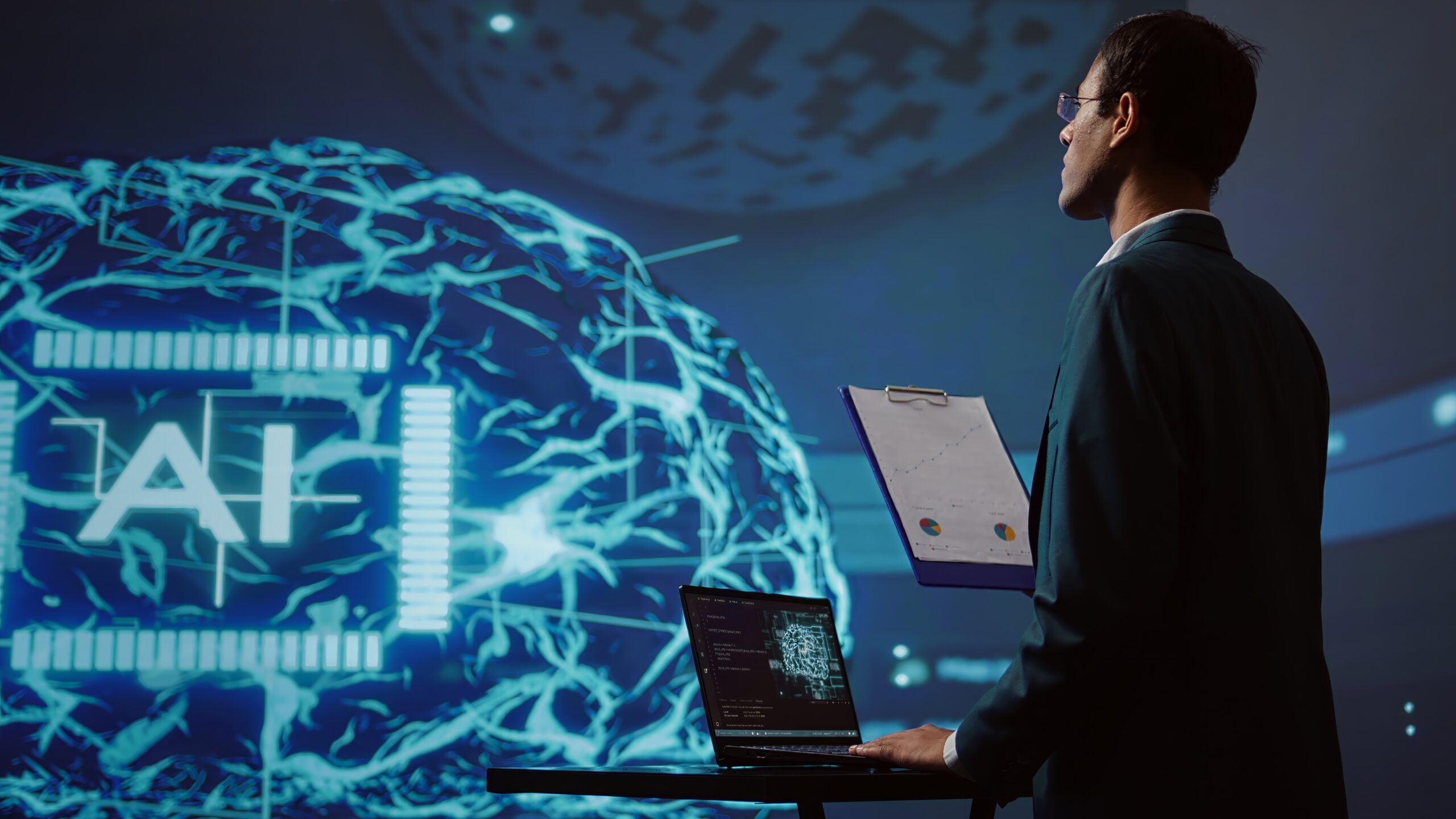
The traditional “command and control” style of management is dying, replaced by a model of empowerment facilitated by a more open organisational structure. Because information is now more widely available across all levels of an organisation, we no longer need managers to act as gatekeepers of routine updates or policy reminders. Instead, we are seeing a shift toward a more ai native workforce, where the manager’s job is to remove roadblocks so their team can perform at their peak. AI agents provide the monitoring and feedback loops that enable this hands-off approach without sacrificing accountability for business performance. We are empowering employees to take more ownership of their work, while the sales & marketing strategist provides the high-level guidance needed. This democratisation of data is flattening organisational hierarchies and creating more dynamic, responsive structures. This change management process is essential for firms seeking private equity capital or launching sustainable products.